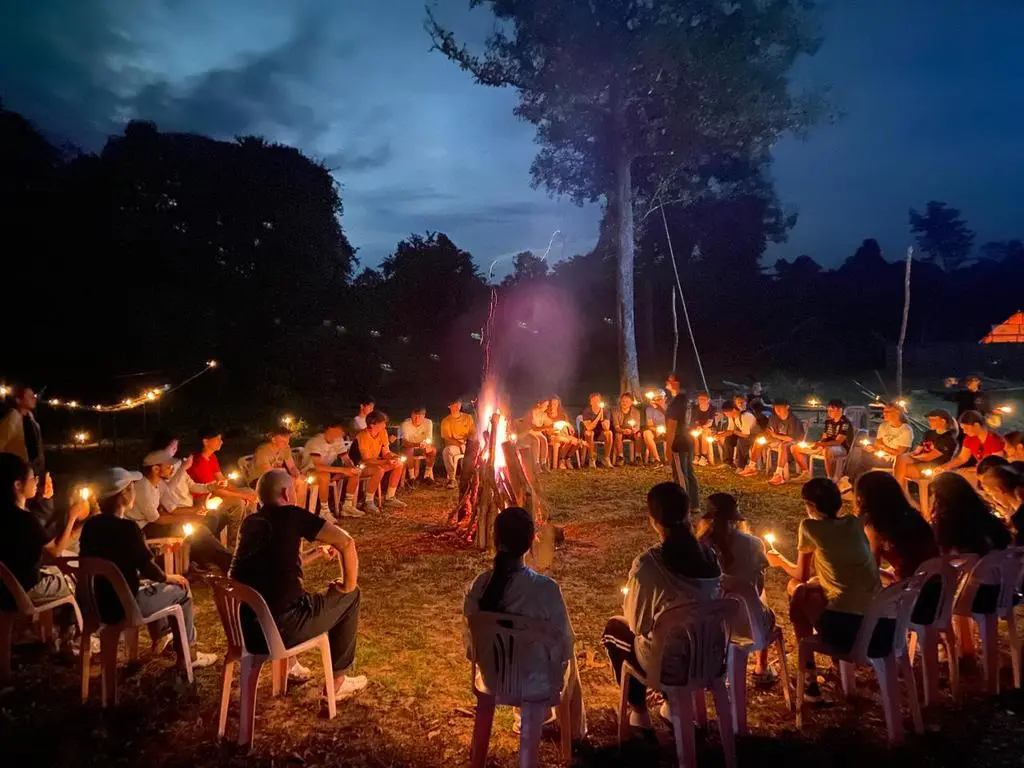
Sustainable tourism is more than just environmental and nature conservation. Travel broadens horizons, enriches our experiences, and provides insights into other cultures and ways of life. However, this must not come at the expense of the local population. Therefore, sustainable tourism can only work in partnership with local communities. Especially off the beaten track in Laos, we act as intermediaries, bridging the gap between locals and travelers. This allows residents to directly benefit from tourism and visitors to experience the authentic Laos.
We believe that Tourism can be a powerful force for good.
FairTrek aims to harness the positive impacts of tourism to develop local villages into sustainable communities. By involving residents in tourism development, we ensure they have fair access to the economic and social benefits of tourism.
We want travelers to have a meaningful experience, too. We encourage you to step outside your comfort zone and connect with others.
About FairTrek
FairTrek is a division of Tiger Trail Travel, a leading destination management company based in Luang Prabang. Founded in 2000, Tiger Trail was a pioneer in tourism in Luang Prabang and has since become a leader in sustainable travel in Laos.
In 2007, we founded FairTrek to help local communities benefit from tourism. From the outset, we implemented innovative, community-based tourism initiatives that gave even remote villages direct access to the economic advantages of tourism.
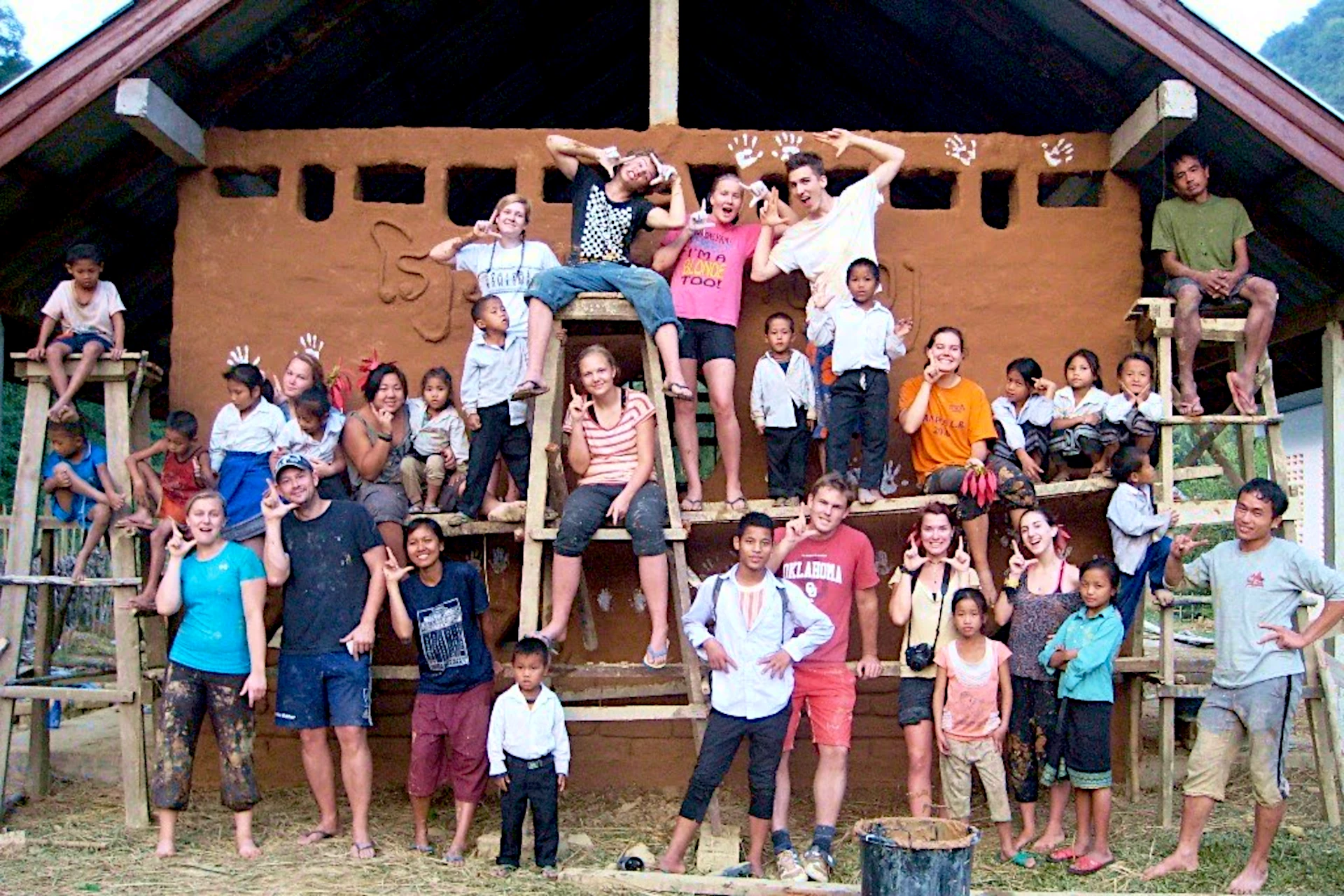
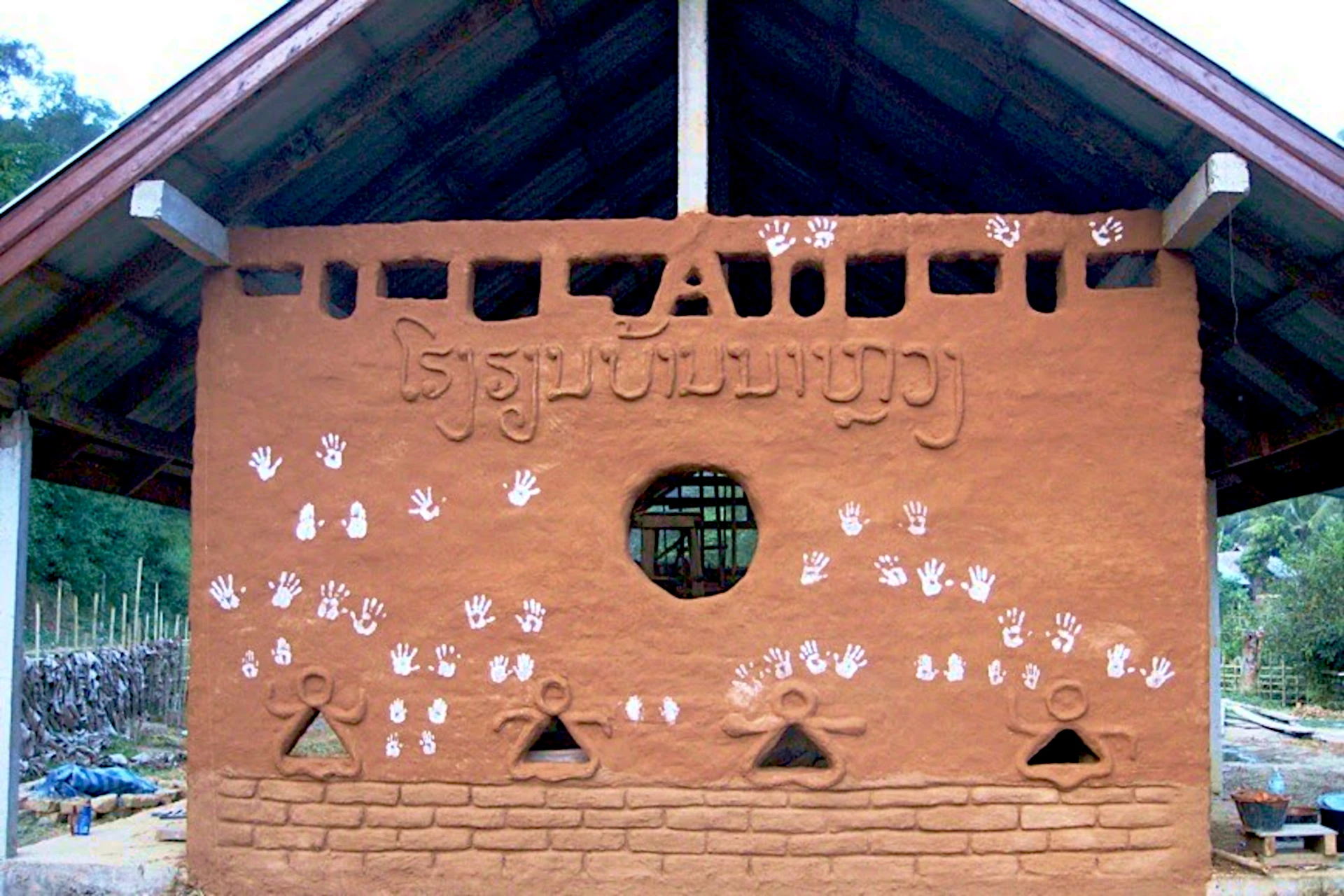
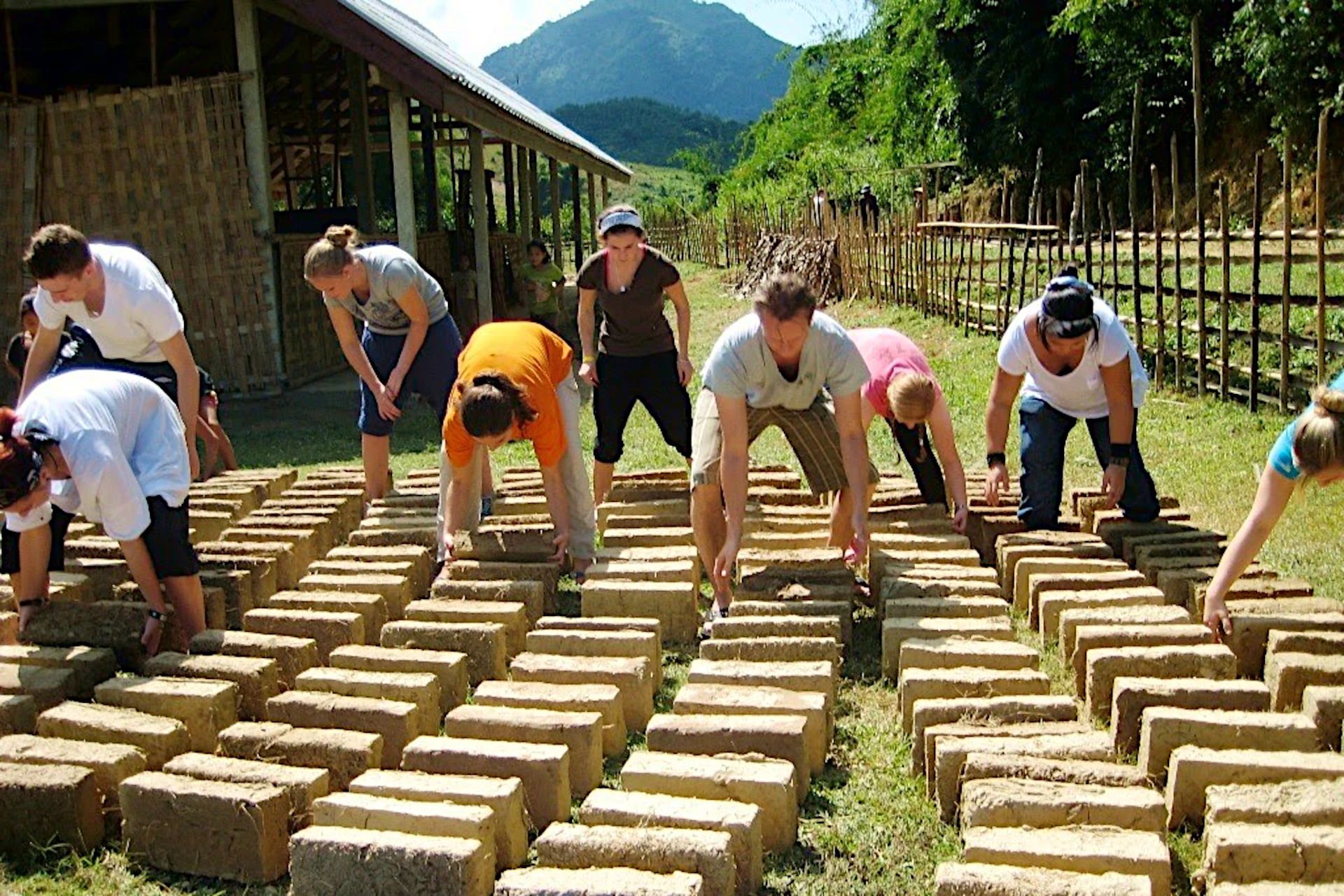
In addition to tours to participating communities, we also regularly organize multi-day school trips and project weeks. Students typically spend four to seven days in one of the villages, working with the local community on an infrastructure project, such as building a mushroom farm, an eco-bungalow, or renovating a school building. Afterward, the students spend a few days in Luang Prabang and the surrounding area to explore the sights of this UNESCO World Heritage city.
Local projects
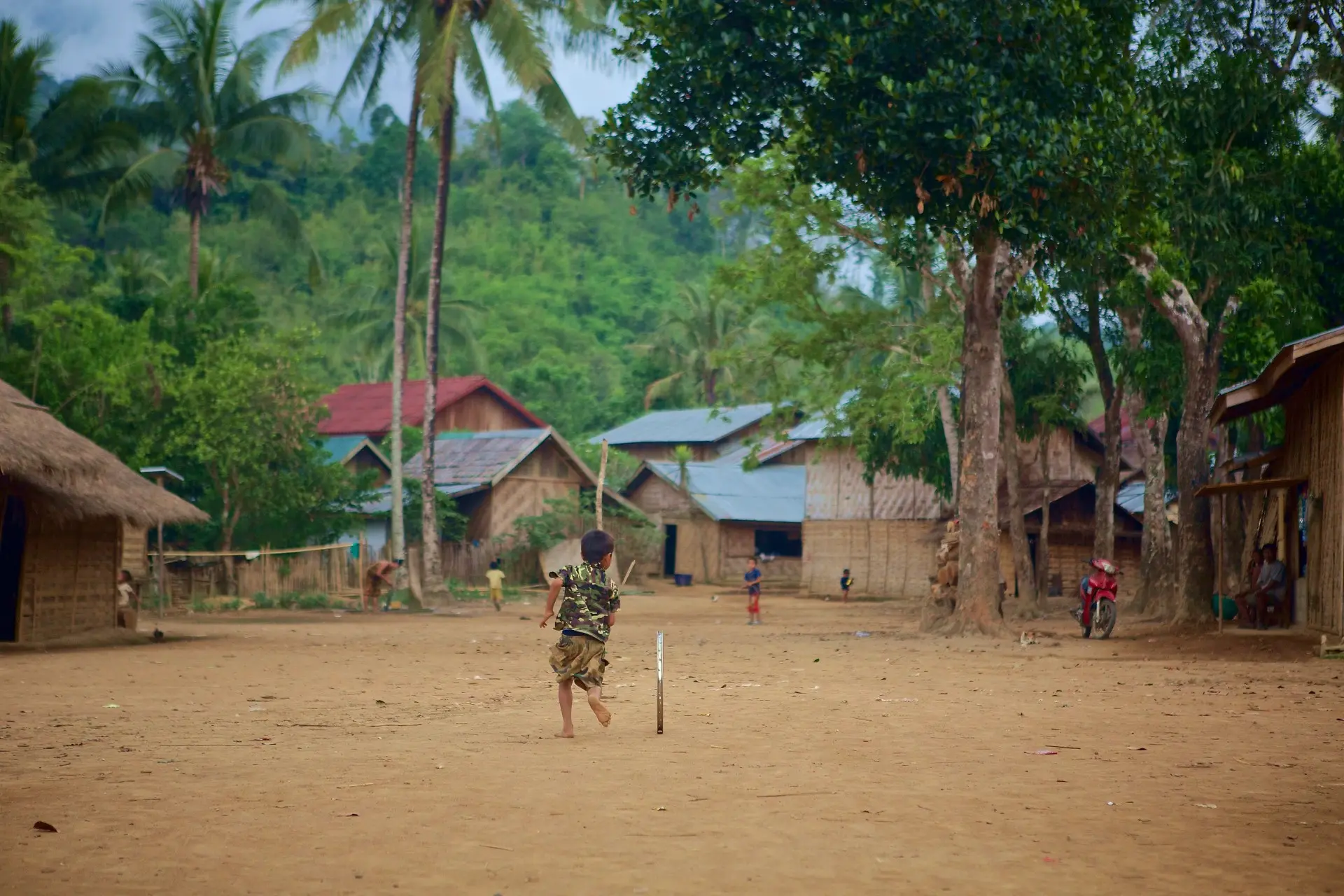
Over the nearly 20 years since FairTrek was founded, countless small and several large projects have been implemented to strengthen village communities. From providing sports equipment for an upcoming football tournament and improving water supplies to constructing new school buildings, much has been accomplished.
Our focus is always on the needs of the community. With our programs, we aim to create additional sources of income for villages beyond tourism, particularly in areas otherwise characterized by subsistence farming. Diversifying agricultural products, for example through beekeeping or mushroom cultivation, not only improves the population’s nutritional needs but also generates revenue in the surrounding markets.
Improving infrastructure is another key focus of our work: enlarging community halls that have become too small for growing villages; improving water supplies with additional tanks and washing facilities; equipping and renovating schools; and installing solar-powered streetlights in villages without electricity. These are projects, both large and small, that have a direct impact.

Ban Houay Fai
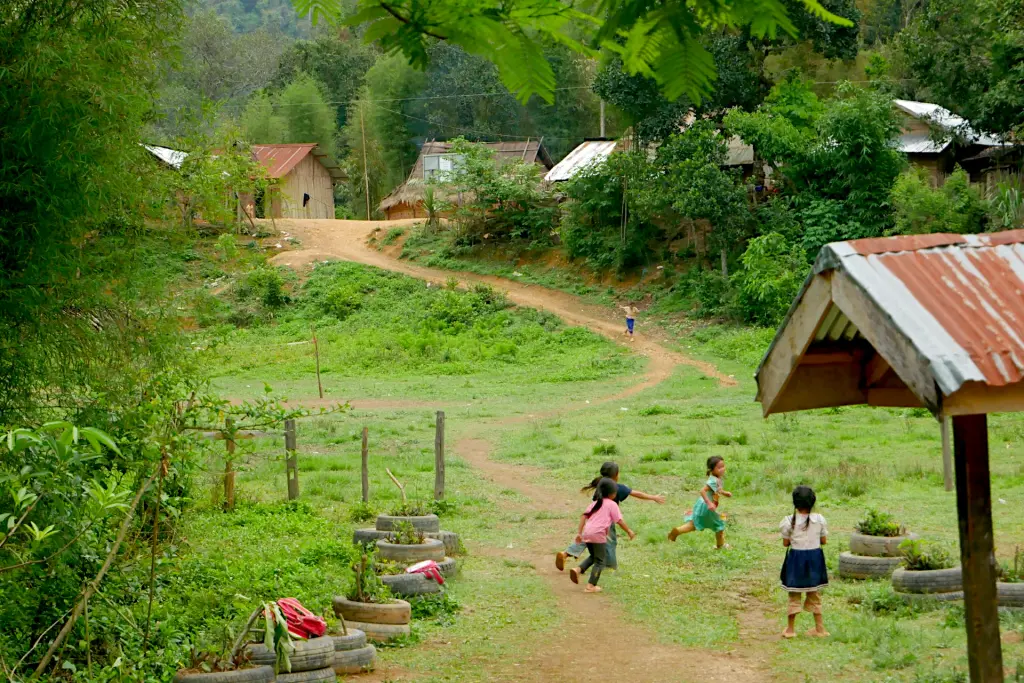
Idyllically situated above the Tad Sae Waterfall and surrounded by inviting mountains, Ban Houay Fai is home to 83 Khmu families. In the past, Hmong people also lived in the village until they contracted a mysterious illness. They subsequently left, and the village has been considered cursed by the Hmong ever since.
Ban Houay Fai was the first village where, in addition to bamboo weaving, blacksmithing, and cultural exchange, we also launched the Jungle Jar program. Since 2021, bamboo water bottles have been produced here.
Several homestays welcome travelers, making Ban Houay Fai the hub of our tour network east of the Nam Khan River.
Ban Nong Khouy
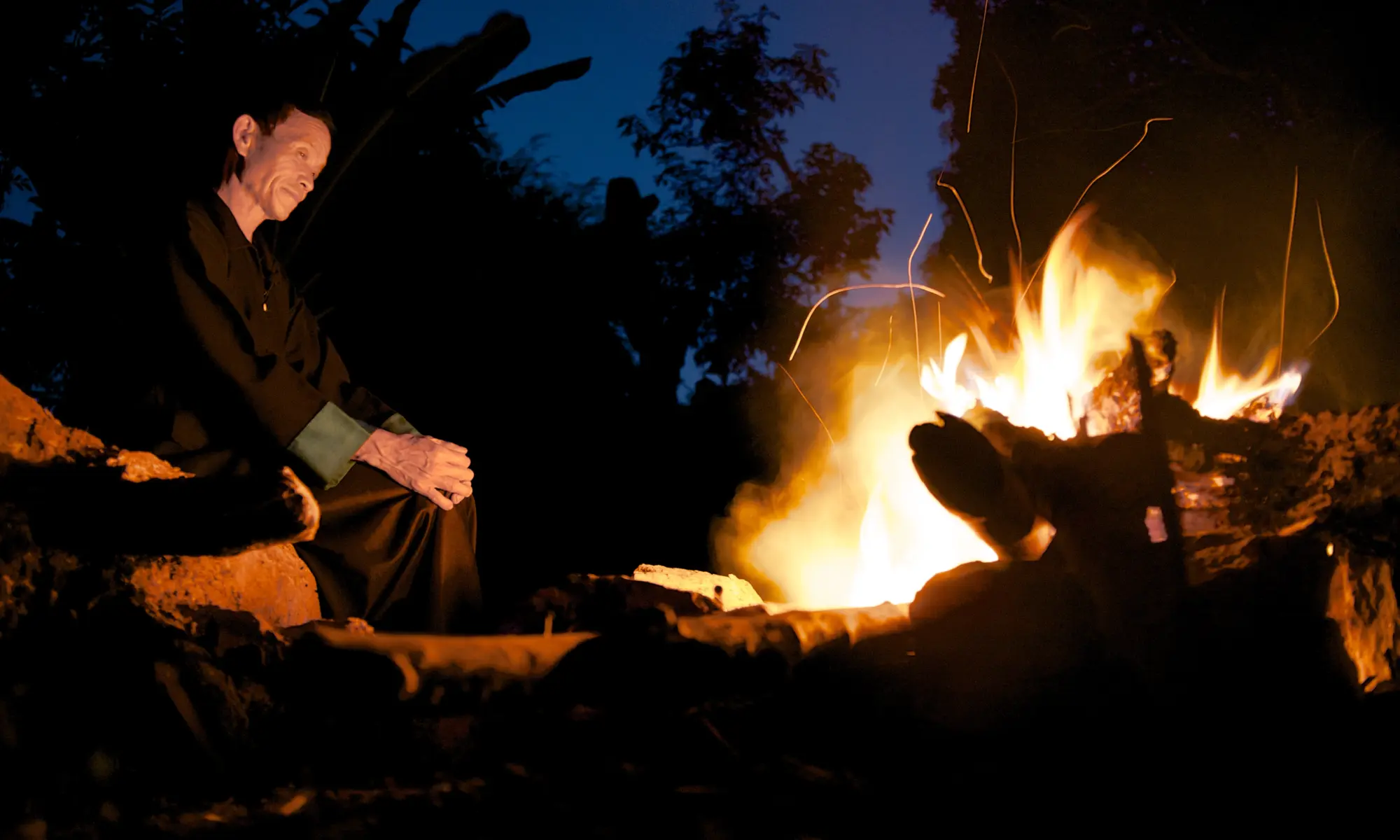
Nestled amidst fields, mountains, and breathtaking views, Ban Nong Khouy is a true gem for hiking enthusiasts. Many trails lead to this village, inhabited by Khmu and Hmong people, which is rich in stories that the village elders love to share around the campfire.
An eco-bungalow offers comfortable accommodation for up to two families. Several homestays allow travelers to experience the hospitality of the villagers.
Planned projects to support the village community:
- Reintroducing beekeeping and apiculture
- Developing a traditional medicine trail in collaboration with local shamans
- Establishing cashew nut cultivation
Ban Houay Phaeng
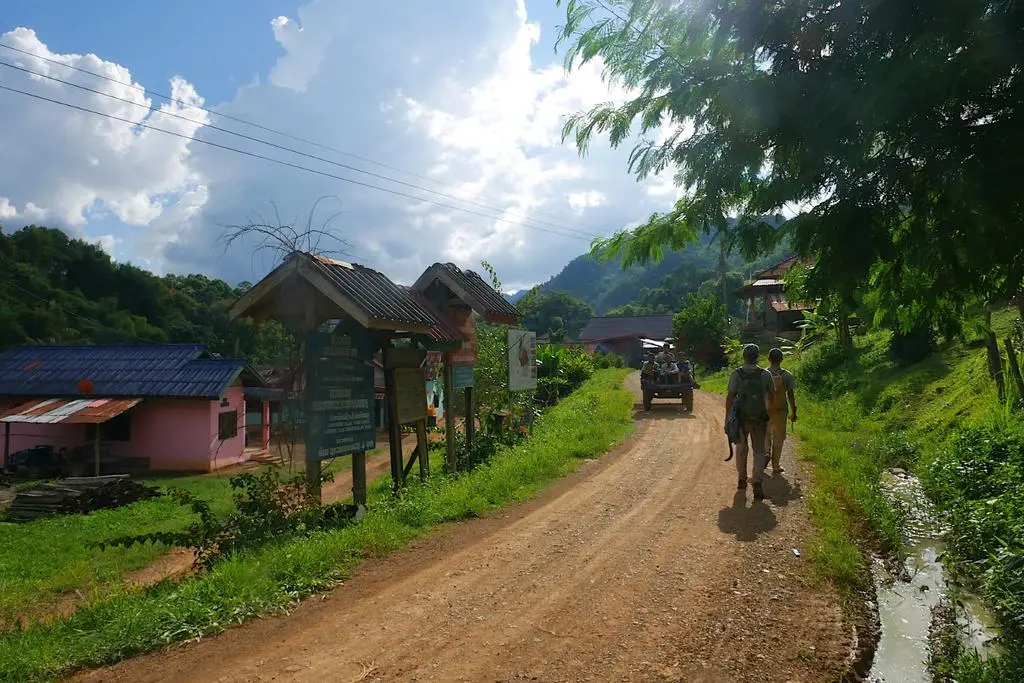
The small Khmu village lies on the road to Ban Nong Khouy, surrounded by fertile fields. Here, everyone can experience Laotian village life firsthand.
In addition to supporting the local primary school, we expanded the community center when it became too small for the growing village population. We also built a mushroom farm to diversify the food supply and provide an additional source of income.
Ban Loang Lao Mai
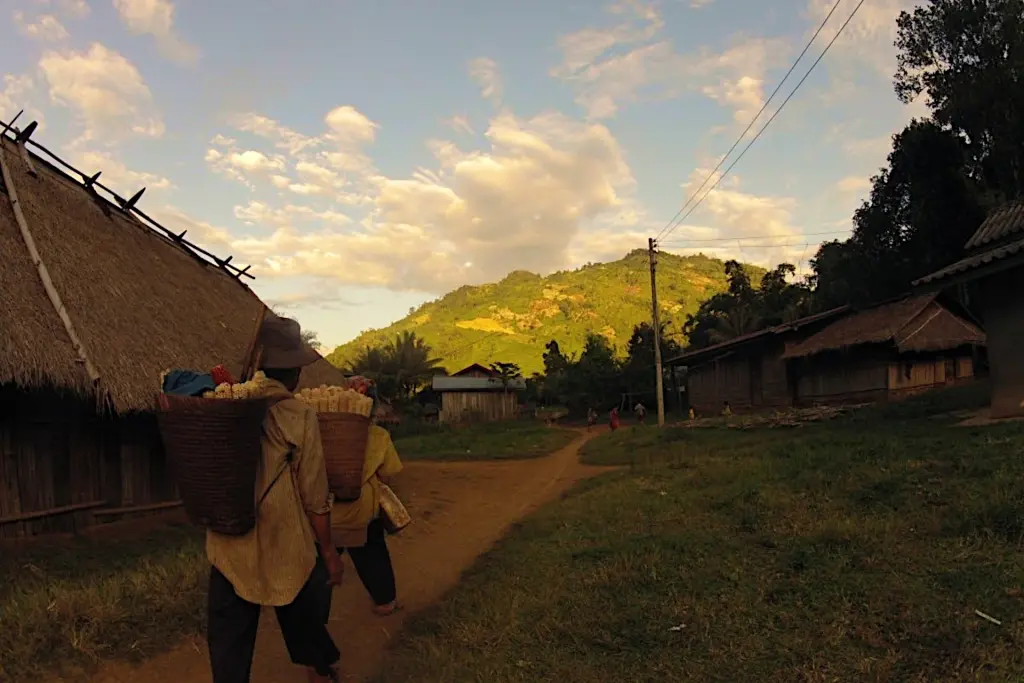
The village, which is quite large with 98 families, has a turbulent history: Hmong people were resettled here after the Pathet Lao seized power in 1974. Initially, there were tensions with the neighboring Long Lao Gao, a Khmu village. However, when a wild tiger threatened both villages and their livestock in the 1980s, the villagers joined forces to drive it away and protect each other. Since then, festivals have been celebrated together, children from both villages attend the same school, and several inter-ethnic weddings have even taken place.
Ban Long Lao Mai is the ideal starting point for relaxed hikes to the famous Kuang Si Waterfall. An eco-bungalow and several homestays also offer opportunities for multi-day excursions, for example, to Ban Nong Khouy.
Ban San Oudom
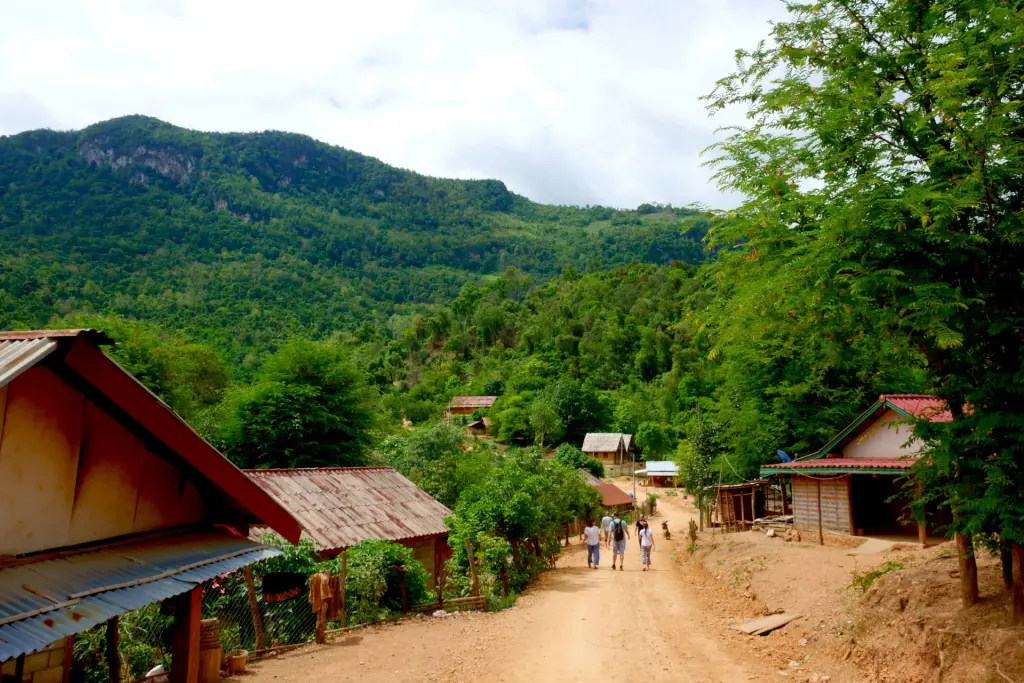
One of the villages furthest from Luang Prabang that we work with is Ban San Oudom, nestled on a ridge in the mountains south of Xiang Ngeun. This location offers breathtaking panoramic views.
Hikers can relax in basic cozy homestays after their strenuous climb. Several shamans not only care for the residents but also provide travelers with insights into the customs and traditional healing practices of the Khmu people.
Ban Houy Thao
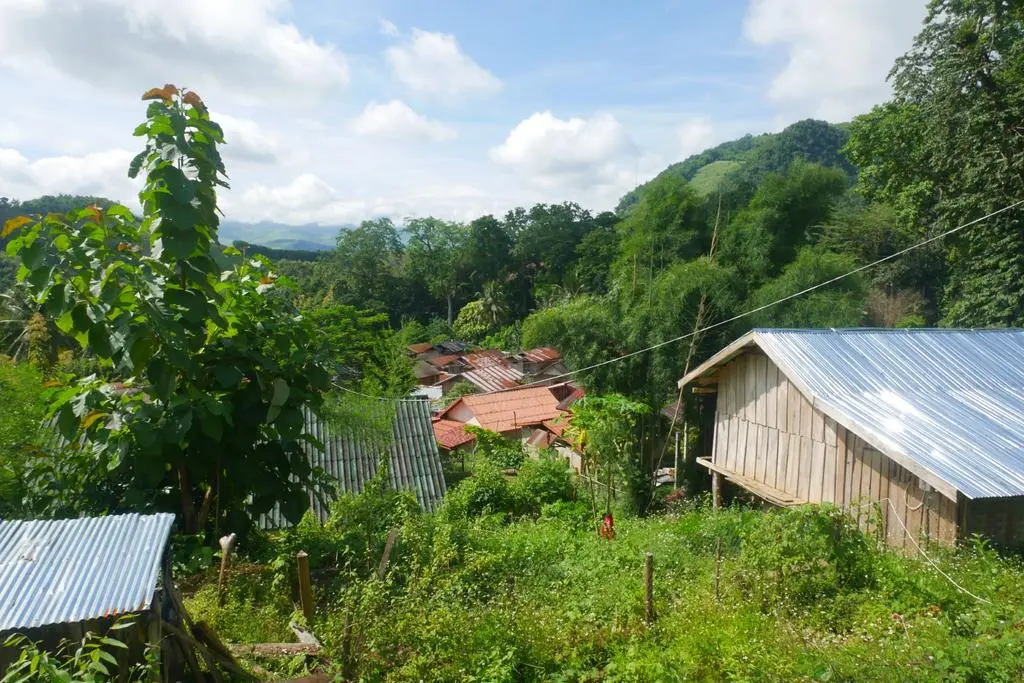
We have just begun working with Ban Houy Thao, a Christian Khmu village. With the construction of a farmstay above the village and the establishment of homestays for larger groups within the village itself, Houy Thao has become the hub for a network of new and Tiger Trail-exclusive day and multi-day hikes. Its proximity to the Nam Khan River also makes it ideal for combined hiking and kayaking trips.
Student trips – education that makes a difference
As part of the FairTrek project, we transform Laos into a living classroom. Our student expeditions are far more than simple school trips – they are a bridge to responsible travel and deep cultural understanding.
What sets our programs apart in the FairTrek context:
- Genuine participation instead of mere observation: Thanks to our deep roots in local communities, we enable students to engage directly with the local culture. Whether through service-learning in village projects or daily life with a host family, the learning content becomes tangible through personal experience.
- Local expertise: Our guides are specially trained to lead youth groups. They not only impart facts about the impressive biodiversity and history but also foster reflection on sustainable development and intercultural competence.
- Flexibility for your learning objectives: Every group is different. That’s why we work with you to develop tailor-made itineraries – from intensive, multi-day adventure tours to multi-week expeditions precisely aligned with your educational priorities.
- Safety & Responsibility: We offer a safe framework for challenges and personal growth, while ensuring that the ecological and social footprint of the journey remains positive.
“I led an IB high school group on an enrichment trip to Laos for a programme organised by Tiger Trails. We had the most wonderful learning journey focusing on cultural exchange, sustainability, and entrepreneurship. Having organised several similar trips to various destinations, I can confidently say that Tiger Trails stands out for the authenticity and depth of its learning experiences.
The programme was thoughtfully designed, meaningful, and genuinely impactful. Special thanks to our guides, Ms Mimee and Mr Tom, for their warmth, knowledge, and professionalism.“
Isabella Anderson
Service Learning & Sustainability Coordinator
International Baccalaureate School, Singapore